
A responsible wood burner is aware of the risks that come with burning wood and knows how to manage them. One of the risks you should keep in mind is the build-up of creosote in the flue. In this knowledge article we explain what creosote is, why it is dangerous, and how you can prevent it.
Creosote is a flammable, tar-like substance that forms when wood burns incompletely. During combustion, unburned particles can cling to the inner walls of the chimney, creating creosote deposits. This build-up can range from a sticky layer to a hard, glossy coating.
Yes, creosote is dangerous. It is highly flammable and, when it accumulates, can cause chimney fires. During such a fire, temperatures can reach 1000 degrees Celsius or more, which may lead to severe damage to your home. A chimney fire can also push smoke back into the living space.
Naturally, you want to prevent creosote from collecting in your chimney. You do this by promoting complete combustion in your wood stove. Here are a few guidelines to support complete combustion and minimise creosote formation:
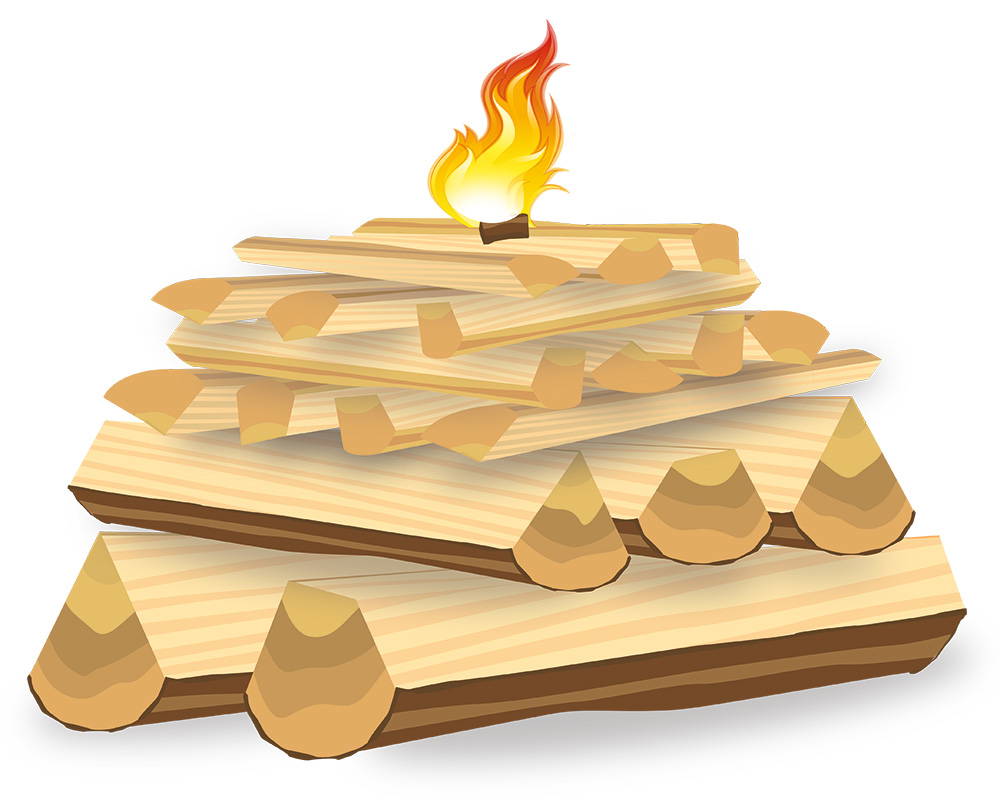
Top-down fire method
Even with the right habits, some creosote can still form. It is therefore important to remove deposits in time. The most effective solution is an annual cleaning by a certified chimney sweep. With proper maintenance of your chimney, you reduce the risk of chimney fires and ensure safe and efficient combustion.