Maak een keuze

Ik ben een consument

Dealer login

Terug naar leenders.nl

SEARCH LEENDERS WEBSITE

CLICK ANYWHERE OR ( ESC ) TO CLOSE

Leenders library

Answers to frequently asked questions

What is complete combustion and how do you achieve it?

As the owner of a wood stove, you aim for complete combustion. On this page, you will learn what complete combustion means and how you can achieve it.
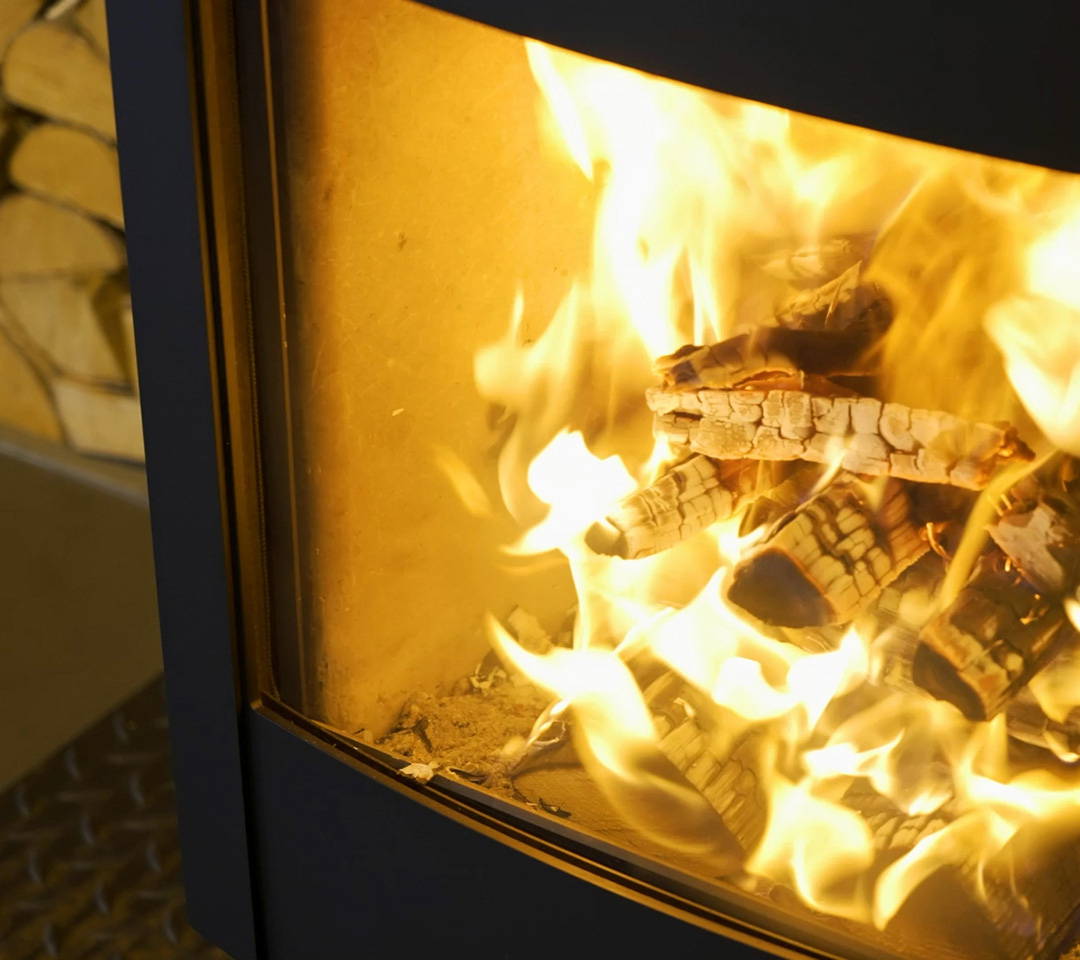
volledige verbranding

What is complete combustion?

With complete combustion, both the wood and the flue gases are fully burned. Only water vapour and CO₂ are released. The fuel binds completely with oxygen, making the combustion highly efficient. Almost nothing remains. What is left is a small amount of white ash.

The chemical reaction of complete combustion in a wood stove looks as follows:

C₆H₁₀O₅ + 6O₂ → 6CO₂ + 5H₂O

Why do we strive for complete combustion?

Because it is better for the environment, for your stove and for yourself. Complete combustion produces far fewer harmful substances, such as carbon monoxide CO. It also minimises the build up of creosote in the flue, reducing the risk of a chimney fire. In addition, your stove glass stays clean for longer and, last but certainly not least, you get more heat from the same piece of wood.

How can you recognise complete combustion?

A fire that burns completely can be recognised by:

  • bright yellow flames with little smoke
  • stove glass that remains clean
  • white grey ash without black residues
  • little or no smoke from the chimney

Do you notice a sharp smoke smell outside or see dark smoke? Then there is incomplete combustion.

How do you achieve complete combustion?

You have control over the conditions. Here is how you do it:

  1. Use dry wood. Wood should dry for at least two years. Wet wood does not burn properly and produces a lot of smoke. Read how to obtain dry firewood.
  2. Ensure sufficient air supply. Give the fire the air it needs. Start with the air supply fully open and only reduce it once the fire is burning well.
  3. Burn with care. We recommend the top down method for lighting your wood stove.
  4. Burn at a high temperature. Complete combustion requires heat. Let your stove reach the right temperature before adding more wood. A strong flame ensures clean combustion with minimal smoke and soot.
  5. Regular maintenance. Have your chimney swept annually and check that the stove is functioning properly. A well maintained stove burns more efficiently and safely.
  6. Choose the right output. A stove that matches the size of the room reaches the correct temperature more quickly. If the output is too high, the burning temperature drops, which can hinder complete combustion.

At Leenders, safety and efficiency come first. Our high efficiency wood stoves are designed for safe, clean and efficient combustion. Each stove has its own character and its own fire.