
If you have landed on this page, you are probably wondering whether you are allowed to install a wood burning stove in your situation. A correct installation matters for your own health and for the people around you. That is why installing a stove in the United Kingdom is subject to rules and regulations.
Please note. This knowledge article covers the regulations for England and Wales. In Scotland and Northern Ireland, different building regulations apply and the approach can therefore differ.
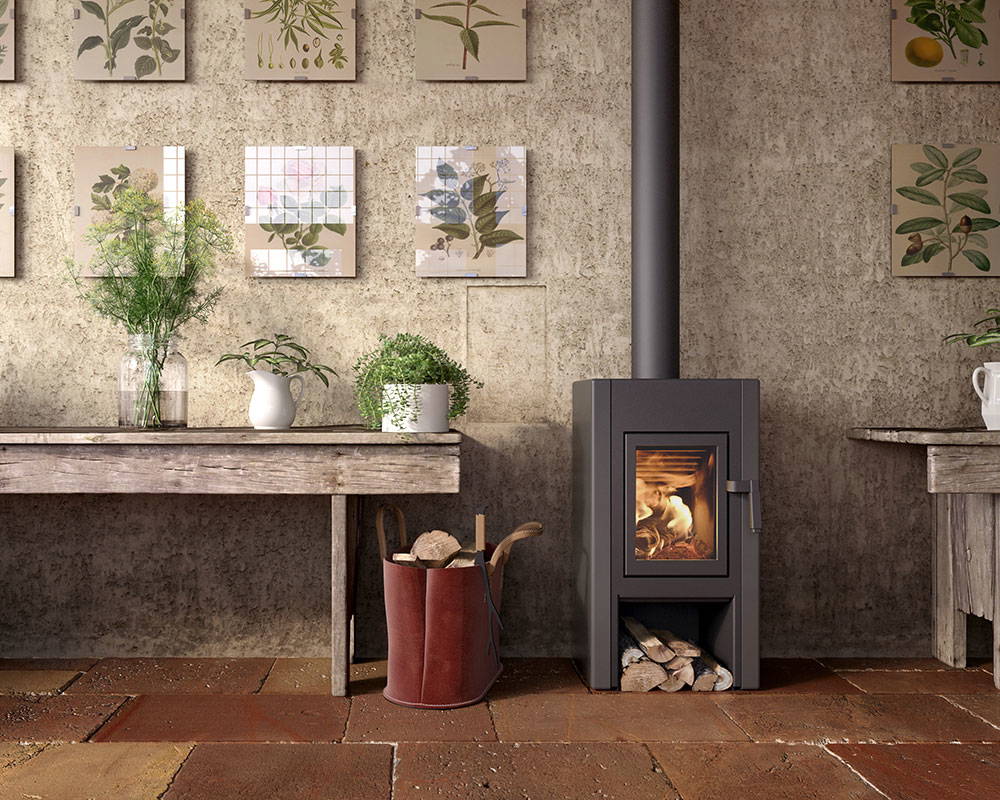
In England and Wales, a wood burning stove installation falls under the Building Regulations, with Approved Document J as the key guidance. It sets requirements for fire safety, ventilation, the flue system and correct positioning of the appliance.
In most cases you do not need separate planning permission, as long as the installation is carried out and certified by an installer with a recognised certification, for example through HETAS. You will then receive a safety certificate.
Do you install the stove yourself, or do you use someone who is not authorised to certify the work? Then you must notify your local authority’s Building Control department. They will inspect the installation for a fee.
When installing or replacing a solid fuel appliance, a working carbon monoxide alarm in the same room is generally required. This is not a small detail, but an essential safety measure.
A flue liner is not explicitly mandatory in every situation if an existing masonry chimney can be proven suitable. In practice, however, a liner is often installed anyway, because it is usually needed to ensure safe operation, stable draught and compliance with the Building Regulations.
The stove must stand on a non-combustible base that meets the correct dimensions and level of protection. Approved Document J distinguishes between a thin, separate hearth plate (superimposed hearth) and a structural hearth (constructional hearth).
If the stove does not raise the base temperature above 100°C, a thin plate may be sufficient in practice, often around 12 mm. If temperatures are higher, a constructional hearth is typically required, often around 125 mm, plus the correct clearances and dimensions. This is highly appliance and site specific and should always be assessed by a professional.
Since 2021, the rules around the sale of fuel in England have been tightened.
When buying a new stove and when burning wood day to day, Ecodesign and DEFRA are key.
Do you not yet have a chimney or flue system? Then also read our knowledge article on chimney regulations in England and Wales.
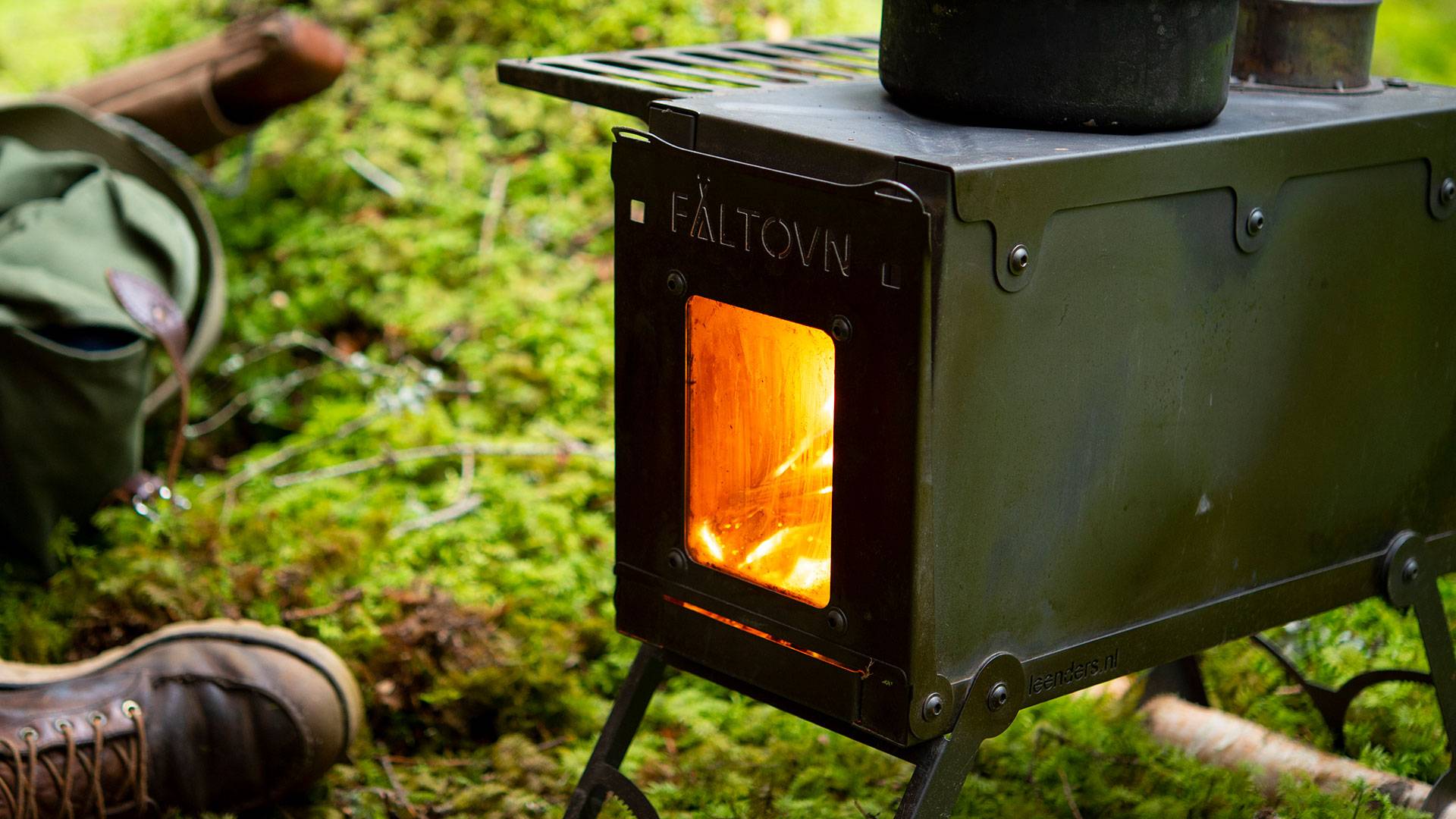
Outdoors, the rules are usually less strict than indoors. But the principle remains the same: prevent nuisance and prevent risk.
Good news. The strict rules of a Smoke Control Area generally do not apply to free standing garden stoves, fire pits, pizza ovens or barbecues in the open air.
There is one important exception. If you install an outdoor stove inside a shed, summerhouse or closed canopy where the flue passes through the roof, it may be treated as a building. If you are in an SCA, the indoor style rules can then apply again, including the DEFRA requirements.
For outdoor burning, this is often the key point. Under the Environmental Protection Act 1990, your fire must not cause a statutory nuisance. If neighbours experience ongoing nuisance from smoke, smell or soot, they can complain to the local council. The council can issue an abatement notice. If you ignore this, the consequences can become serious both financially and in practice.
Even outdoors, it pays to burn cleanly.
For a loose, free standing garden stove, you usually do not need planning permission. Do ensure a stable, non-combustible base and keep sufficient distance from fences, trees and buildings. For fire safety, a practical guideline is often around 2 metres.
A permanent, built outdoor fireplace or outdoor kitchen often falls under permitted development, but height and positioning limits apply. If the structure is within 2 metres of the property boundary, it generally must not be higher than 2.5 metres.